
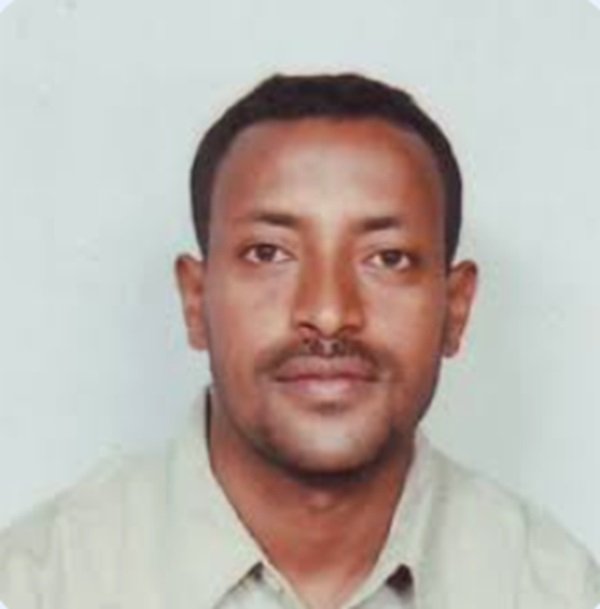
By: Gebeyehu Wondim
Introduction
Ethiopia, the second most populous country in Africa, is grappling with a prolonged civil war crisis. The two-year conflict between the Federal Government Defense Forces (FGDF) and the Tigray People’s Liberation Front (TPLF) involved neighboring countries, including Eritrea and Somalia, which sided with the Ethiopian government. This war resulted in an estimated 600,000 to one million deaths, caused $28 billion in damage to public and private properties, displaced millions, and led to widespread human rights abuses in the Tigray, Amhara, and Afar regions.
The Oromia region has also been engulfed in conflict for over five years, with fighting between the FGDF and the Oromo Liberation Army (OLA/OLF-Shene). This war, particularly in the Guji zone and western Oromia, has caused severe human rights violations, mass killings of civilians, and the displacement of millions, primarily from the Amhara ethnic group. OLF/OLA-Shene has indiscriminately targeted civilians, while federal and regional security forces have systematically retreated, failing to protect the population.
Following the Pretoria peace agreement in November 2023 between the Ethiopian government and TPLF, a new conflict erupted in the Amhara region. This government-initiated war continues to devastate the region, exacerbating the already dire humanitarian situation. The shifting nature of these civil wars has led to significant loss of life, destruction of infrastructure, and widespread human rights violations.
The ongoing conflicts, coupled with macroeconomic reforms, have severely impacted Ethiopia’s economy and livelihoods. Communities in war-affected areas have lost their possessions and are trapped in extreme poverty. Rising living costs, environmental challenges like drought, flooding, and landslides, and a worsening multidimensional poverty index—rising from 68% in 2019 to 72% in 2024—have pushed an additional 18% of the population into poverty. Ethiopia now leads the world in multidimensional poverty, with 86 million of its 120 million people living in poverty and 4.5 million internally displaced.
Once a diplomatic leader and anchor state in the Horn of Africa, Ethiopia now faces instability and the threat of state collapse. Known for its peace, investment opportunities, and rapid economic growth—once the fastest in Sub-Saharan Africa—Ethiopia is now viewed as a threat by neighboring countries like Eritrea and Somalia.
The ongoing conflicts and political instability have left Ethiopians hopeless about their future. Many no longer feel confident investing, studying, working, or building peaceful lives in their own country. The complex and unstable political system fuels conflict, creating widespread uncertainty.
Ethiopia has long been a key diplomatic player in Africa, contributing to peace efforts in the Horn of Africa and beyond. However, recent events have raised profound concerns about its internal human rights situation and its government’s ability to resolve conflicts and bring peace.
Basic Human Rights in Tigray
The humanitarian crisis in Tigray escalated following the civil war in November 2020. Ethiopian defense forces and allied troops committed widespread violations of international human rights, war laws, and refugee laws, targeting civilians and public infrastructure. The state of emergency and curfew enforcement created conditions for military personnel to violate human rights with impunity. Armed soldiers entered private homes without judicial orders, looting property, committing mass rapes, and torturing civilians.
Prisoners were forced to pay ransoms for their release, and many were killed under the guise of curfew enforcement. Eritrean forces, controlling parts of Tigray, also committed atrocities, including looting, mass rapes, and indiscriminate killings. Even after the Pretoria agreement, Eritrean forces continued to enforce Eritrean identity cards on Ethiopian citizens and abduct young people for military training.
The siege of Tigray blocked humanitarian aid, leading to starvation and preventable deaths. After the Ethiopian defense forces retreated in June 2021, the conflict spilled into Amhara and Afar regions, where Tigrayan forces replicated similar human rights violations.
Basic Human Rights in Amhara Region
The human rights situation in Amhara was dire even before the recent conflict. During the Tigray war, large parts of Amhara and Afar were under TPLF control, resulting in extreme human rights violations. Over 200,000 people in Amhara and 54,000 in Afar were displaced in 2021. Gender-based violence was rampant, with over 200 reported rape cases by TPLF forces in Amhara alone.
After the Pretoria agreement, hopes for peace were dashed when the Ethiopian government launched a new war in Amhara in 2023, targeting regional special forces and Amhara Fano. This conflict has led to unprecedented human rights violations, including mass arrests, torture, extrajudicial executions, and looting by government forces. Civilians have been targeted with heavy artillery, drone strikes, and air raids, resulting in thousands of deaths.
Basic Human Rights in Oromia Region
Oromia, Ethiopia’s largest region, has also suffered immensely. The conflict between FGDF and OLA-Shene has led to severe human rights violations, including ethnic-based attacks, enforced displacement, and extrajudicial killings. The Guji zone has been particularly affected, with both sides committing atrocities.
Displacement and indiscriminate killings have uprooted families, destroyed livelihoods, and plunged millions into poverty. Detainees face prolonged torture, and displaced civilians live in deplorable conditions without access to humanitarian aid.
Conclusion
Ethiopia’s rampant human rights violations are a daily reality, occurring even in the capital, Addis Ababa, where diplomats and international organizations are based. While natural disasters like droughts and floods have exacerbated the crisis, the government’s role in perpetuating violence and failing to protect its citizens is undeniable.
The international community has largely neglected the suffering of Ethiopians. The government’s efforts to organize a high-level humanitarian conference for Sudan starkly contrast with its failure to address the dire situation at home. Ethiopia cannot credibly advocate for humanitarian causes abroad while violating the rights of millions within its borders. Urgent attention from the international community is needed to address the suffering of the Ethiopian people.
Editor’s Note : Views in the article do not necessarily reflect the views of borkena.com
__
Subscribe: https://borkena.com/subscribe-borkena/
Join our Telegram Channel : t.me/borkena
Like borkena on Facebook
Add your business to Ethiopian Business Listing / Ethiopian Business Directory
Join the conversation. Follow us on X (Formerly Twitter) @zborkena to get the latest Ethiopian News updates regularly. Subscribe to YouTube channel To share information or for submission, send e-mail to info@borkena.com