
Editor’s Note : Views in the article do not necessarily reflect the views of borkena.com
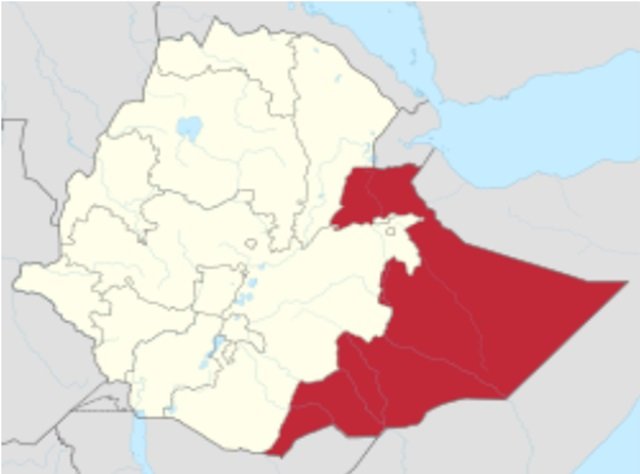
By. Abdirezak Sahane Elmi
The Somali region has a long history of struggle and conflict, dating back to the colonial era when it was under British rule. After the British handed over the region to the Ethiopian Empire, the people of the Somali region were not given a choice in the matter. This forced handover led to years of resistance and fighting for independence, with many sacrifices made along the way.
Despite the efforts of Somali heroes who fought for the region’s independence from 1964 to 2018, the struggle ultimately failed to deliver the desired results. There were several key factors that contributed to this failure, including a lack of inclusivity, strategic planning, understanding of geopolitical situations, and urgent decision-making.
One of the main reasons for the failure of the independence struggle in the Somali region was the lack of full inclusion of all the people in the region. There were always opposing voices that stood against the idea of independence, leading to division and discord within the community. Without a united front, it was difficult to make progress towards independence.
Additionally, there was a lack of strategic and knowledge-based planning in the independence struggle. While there were strengths in the movement, there were also crucial elements missing, such as a thorough understanding of the economic and social circumstances, awareness within the community, and knowledge of the opposition. Without a well-thought-out plan, the struggle was destined to fail.
Furthermore, the failure to consider the geopolitical situation and international political factors in the struggle framework also played a significant role in the lack of success. Without understanding the broader context in which the struggle was taking place, it was challenging to navigate the complexities of the situation and make informed decisions.
Urgent decision-making and a lack of preparation also contributed to the failure of the independence struggle in the Somali region. Without taking the time to discuss and plan effectively, it was difficult to make progress towards the ultimate goal of independence.
The Results of These Struggles
Negative Outcomes:
- We lost many heroes.
- Our people suffered greatly—many were displaced, killed, arrested, or mentally tortured.
- Our region remained behind all Ethiopian regions due to ongoing conflicts and a lack of peace.
- Our people fell into an identity crisis. We became guests in our own country because other Ethiopians labeled us as enemies of Ethiopia. This gave our adversaries the opportunity to fight and punish our people.
- We are considered second-class citizens because we are not trusted to uphold national interests. Most Ethiopian elites do not see Somalis as true Ethiopians, and their aspirations gain recognition when we ourselves accept their narrative, reinforcing the perception that we are opposed to Ethiopia.
- We are unable to hold key positions such as security services, army chiefs, foreign ministries, or the prime minister’s office. This is because we have internalized the belief that we do not deserve to lead Ethiopia and instead focus on self-determination. This provides a golden opportunity for others, as they do not need to take our rights forcefully—they know we are brilliant, entrepreneurial, and creative. Additionally, they recognize that we have another unique advantage: our Somali brothers across the Horn of Africa. They fear that if we begin to lead Ethiopia, we will make significant changes, and power will never return to their hands.
Understanding this deeply, they dismantle us, divide us, and distract us by creating misleading narratives to steer our attention away from unity. They foster internal political turmoil and conflicts to prevent us from coming together, critically assessing our weaknesses, and developing a common strategic plan to strengthen our unity, political framework, and destiny. As a result, we remain unable to achieve our long-term goals—eradicating poverty, fostering economic growth, advancing social development, sustaining peace, and securing our rightful place in Ethiopian politics, just like all others.
7. The Somali people today are caught up in internal narratives instead of looking at the bigger picture and recognizing what we are missing. We focus on positions like Somali regional president and lower offices instead of striving to lead Ethiopia and securing our people’s rights within the framework of federalism.
8. The past seven decades of division and service to others’ interests have conditioned us to focus on our brothers’ weaknesses, criticize the past, compete to be better servants for others, and prioritize short-term, low-ranking power over long-term vision. We prioritize personal interests over the public good, engage in continuous political conspiracies, divide our people, and exploit internal differences. This is foolish thinking and a failure to understand the long-term consequences, which will ultimately backfire on us.
9. The outdated mindset of beating the war drums, calling for conflict, and prioritizing confrontation over extreme patience and tolerance for the sake of our people has led to repeated destruction.
A Few Positive Outcomes from the Previous Struggles:
1. Our people have remained strong in their culture and religion, resisting assimilation.
2. Our people are still warriors and freedom fighters who have never given up on their rights.
3. Our people are resilient and willing to sacrifice for their land, rights, and cause. They refuse to be undermined, but unfortunately, they lack proper leadership.
4. Most of our region remains safe from external invasion.
When I look at the current situation in our region, there are recent voices of conflict, which could be very dangerous if we fail to address them in a timely manner and prevent them from heading in the wrong direction.
I recently observed new developments in ONLF and Ethiopian government relations, especially in the Somali region, after they signed the peace agreement in October 2018.
The undeniable fact is that the peace agreement made the region more peaceful, and I give credit for that peace to ONLF leaders and the people of the Somali region. Additionally, I recognize the reform government led by Dr. Abiy Ahmed for its willingness to allow opposition groups to engage in politics peacefully instead of resorting to war and confrontation.
However, I am aware of the many complaints from ONLF. I have read numerous statements accusing the Ethiopian government of failing to implement what was agreed upon, dividing the party into two factions, attempting to dissolve the party, and creating individual allies within the PP party. On the other hand, I have often seen the regional government criticizing ONLF’s statements and labeling them as conflict seekers, claim-based organizations, or failed leaders unable to resolve their internal conflicts. They have also been accused of being agents of the TPLF.
The truth that needs to be emphasized is that ONLF is a historically significant party that has struggled for a long time for the independence of this region. While I acknowledge that there are different perspectives on the correctness or flaws of their struggle, they made significant sacrifices. In my belief, despite their shortcomings and faults, the intention behind their struggle was not wrong. However, there were undeniable mistakes and failures that led to countless losses and fruitless sacrifices. While the government bears the primary responsibility, ONLF, as a party involved in the conflict, cannot be entirely free from responsibility. Their struggle was sometimes carried out under improper circumstances and lacked strategic planning. Nevertheless, their intentions were rooted in faith and patriotism.
For now, my main concern is that we must sustain the peace we have today. We must be strategic thinkers and learn from the past. We all know that our region burned in conflict for 23 years while other Ethiopian regions were developing. Other Ethiopians did not make the same sacrifices—only our people suffered. Today, similar conflicts are happening in the Amhara region, Tigray, and parts of Oromia, and the victims are the people of those regions. Ethiopia is a geographically vast country, and what happens in a few regions does not significantly affect others, except in cases of nationwide problems. For example, today, the Somali region enjoys peace while the Amhara region suffers. The same will happen to us if we allow conflict to return—only our people will be affected.
The people of this region are exhausted from endless conflicts and fruitless sacrifices. Our region is peaceful today. Our main challenge is not war but solving leadership problems, managing the opportunities and resources we have for community development, securing our self-rule within the framework of federalism, and working to improve our situation. We must be realistic, understand geopolitical and international circumstances, and make well-informed and timely decisions.
We must recognize and value the peace we have today and be careful not to lose it. We must choose a different path—one that is more effective in securing the rights we deserve from Ethiopia, which have not yet been delivered. We must struggle together for those rights. Even if self-determination is the ultimate goal, the Somali people of this region must first build a common understanding to ensure a meaningful and successful outcome.
Important Tips for the Following Groups:
From my experience as a politician who has witnessed many circumstances and conflicts in our region, I would like to offer a few tips for the following groups:
1. Regional Government Leaders:
Today, you are the legally responsible body for the region and its people. The public expects you to fulfill that responsibility patriotically and honestly. People are waiting for you to sustain the peace they have today, prevent all possible conflicts, and resolve tensions before they escalate into full-blown crises.
People expect you to develop social services, drive economic growth, eradicate poverty, enhance unity, and create political stability through inclusive and intelligent political strategies. They are waiting for you to improve their lives by creating job opportunities for the youth and educating the community on how to develop and improve their livelihoods.
The public also expects you to help them utilize their resources, build trust, and collaborate to develop their businesses. They are waiting for you to protect their resources, fight systematic corruption, and take legal action against theft and looters. They expect you to develop infrastructure and provide essential services.
People are not waiting for you to put their future at risk. Instead, they expect you to be strategic leaders who will be remembered as heroes. They do not want you to create new political conflicts by pushing ONLF back onto the battlefield. Be aware that this would not be as easy as you might calculate. There is a Somali proverb that says: “Ceel nin galay ayaa laga waraystaa” (Only the one who enters the well can tell what’s inside). ONLF is not an easy opponent—even 50 determined young men can destabilize the region. Do not push them into making the wrong decision.
I don’t know whether you are capable of being the leaders that people are waiting for. Most likely, you are not. You do not seem to be the leaders they want today. However, I advise you to try your best—at least with a positive intention and practical efforts. If you do so, the short time you have left in office may allow people to excuse your past mistakes, saying, “At the end, he was committed to solving our problems and being the leader we needed.”
2. ONLF Leadership
All of you are mature enough to assess the political situation. You are older than me, more experienced, and you understand that war is not easy. You know what will happen if you decide to fight against the government. However, let me remind you of what you already know:
• You will go to the front lines and the battlefield.
• You will start targeting government soldiers.
• You will mobilize the public—some will support you as usual, while others will oppose you.
• The regional and federal governments will strategize to fight against you and your supporters.
• The ones at the forefront of this conflict will be Somali Regional State Special Police—your own young somali, boys and girls.
• No other Ethiopian ethnic groups will die in this conflict; only Somalis will fight and kill each other as usual.
• Many will die in your name, just as before.
• Many will be arrested for supporting you.
• The people of the region will once again suffer atrocities and oppression.
• The region will become a battlefield.
• People’s lives will worsen.
• Ethiopia will exploit the situation, watching Somalis kill each other while taking our resources, just as they have always done.
And eventually, things will remain unchanged for a long time. I don’t know what the final fate will be, but this is my personal prediction, and I sincerely hope it does not happen.
Knowing all these facts, do whatever you plan to do. But believe me or not, the people of this region are not waiting for you to start a new armed conflict against the government. They recognize that you signed a peace agreement for the sake of the people’s interests, and they expect you to honor that path.
The people are waiting for you to resolve your internal problems, call for reconciliation within your party, and understand the value of unity and integrity over division. Those of you who have allied with the government should be mindful of your legacy. Those in ONLF leadership must take responsibility, lead the party strategically, and exercise patience while sacrificing everything for the sake of the people who believe in you.
One thing I want to emphasize is that starting a new conflict against the government is not a rational decision. Think wisely before making such a move. You have many other options besides war. I hope you take into account “The Cost of Conflict: Why War Is No Longer an Option in the Somali Region.”
3. To the Federal Government Leadership
Sustaining peace in the Somali region is crucial for national security and political stability across Ethiopia. This region is strategically important for maintaining peace in the country. At the same time, if mismanaged, it could pose a significant risk to security and stability in the Horn of Africa (HoA).
If the Ethiopian government fails to properly address ONLF’s recent grievances, the consequences could be severe. The Somali region shares long borders with three neighboring countries, all of which have Somali communities. This provides both an opportunity and a risk , ONLF could easily find external support, and rebel movements could gain momentum.
Furthermore, we all know that Al-Shabaab and ISIS-affiliated insurgents are still active in neighboring countries. If ONLF reignites armed struggle, these jihadist movements could exploit the situation, further destabilizing the region.
Therefore, I strongly advise the federal government not to underestimate ONLF’s concerns. They have strong grassroots support from their constituents and a large community behind them. If potential conflicts are not prevented now, managing the consequences later will be far more difficult. Prevention is better than cure.
The federal government must invite ONLF to the negotiation table and provide immediate solutions to their complaints regarding the peace agreement. Prime Minister Dr. Abiy Ahmed, federal PP officials, and security officials must give special attention to this issue to prevent any security risks.
4. To Somali Region Intellectuals, Religious Leaders, Elders, Ugaas, Garads, Sultans, and Political Elites
You all have a responsibility to pressure all parties to come to the negotiation table. It is your duty to tell the truth this region and its people do not need more destruction and conflict. We must raise our voices now to prevent future regret.
There is a Somali proverb that says: “Halkaas markay marayso yaa yax-yidhaahda” (When things reach this point, who will step up to stop it?).
Today is the day to speak up and protect our people from danger.
Note:
Recently, I chose to remain silent about politics after observing that political elites are not willing to listen to different perspectives. However, today’s article is different from what I have written in the past.
I wrote this deliberately at least to ensure that I will not regret the negative outcomes in the future.
Ramadan Kareem.
Editor’s Note : Views in the article do not necessarily reflect the views of borkena.com
__
Subscribe: https://borkena.com/subscribe-borkena/
Join our Telegram Channel : t.me/borkena
Like borkena on Facebook
Add your business to Ethiopian Business Listing / Ethiopian Business Directory
Join the conversation. Follow us on X (Formerly Twitter) @zborkena to get the latest Ethiopian News updates regularly. Subscribe to YouTube channel To share information or for submission, send e-mail to info@borkena.com
ቦርከናዎች፣ ወያኔ የሳለችውን ካርታ በአሁኑ ጊዜ መጠቀማችሁ ትክክል ነው?
Two questions, the Somalians in the Ogaden region must answer :
1 – Why independence from Ethiopia ?
2- Why unity with Ethiopia ?
Ogaden’s politics is different from the Amhara’s. Following the 1991 political change in Ethiopia, the Ogaden region have been exercising sovereign authority in the EPRDF – PP political system. Unless constitutional change is made, the EPRDF – PP political system will collapse.
The future of the Ogaden region will be determined by : Islamic ideologies such as Eqwanism , Salafism, and Wahabbism; Israel’s presence in Somaliland; Addis Ababa’s interference in Somalian politics; and the relationship between punt land and Moqadishu ( Punt Land’s independence from Moqadishu). There will be no peace in the Ogaden region.
” The I give you what you want, so that you will want what I have to give ” politics of the EPRDF – PP political doctrine is destructive.