
By Abel Eshetu Gebremedhin
Public trauma refers to the collective emotional and psychological impact experienced by communities or societies in response to significant distressing events. These events can include natural disasters, acts of violence war, pandemics, or large-scale social upheaval. The effects of public trauma can resonate deeply within a community, affecting individuals’ mental health, social dynamics, and overall societal functioning.
Unlike personal trauma, which affects individuals, public trauma affects entire communities or populations. This shared experience can create a sense of solidarity but also profound grief and distress. The repercussions of public trauma can last for years, manifesting in various forms such as anxiety, depression, and PTSD among affected individuals. The impact of public trauma can vary depending on cultural, social, and economic contexts. Different communities may respond to and process trauma in unique ways based on their histories, beliefs, and support systems.
The condition of public trauma in Ethiopia is significant, particularly due to a combination of political unrest, ethnic conflict, economic instability, and the effects of the COVID-19 pandemic in the past six years. Ongoing conflicts, particularly the Tigray and Amhara war and violence in other regions, have led to widespread trauma. Ethnic-based violence has resulted in loss of life, displacement, and deep social fractures. Millions have been displaced from their homes due to conflict, leading to a humanitarian crisis. Displaced individuals often face severe psychological stress and loss of community support systems. Economic challenges, including high unemployment and inflation have created significant stress for families, making it difficult to meet basic needs. High unemployment and food shortages contribute to stress and trauma within families and communities. Many have lost their jobs or sources of income due to conflict and displacement, exacerbating the cycle of poverty and trauma. Ongoing conflicts in Amhara and Oromia regions have led to the closure of schools, disrupting education for millions of children. This not only affects their academic prospects but also their psychological well-being. Children exposed to violence or displacement are at risk of long-term mental health issues, which can affect their learning and development. The conflict and political instability have led to a breakdown of trust among communities, making it difficult to foster social cohesion. Ethnic divisions have intensified, leading to a fragmented society where mutual support is weakened.
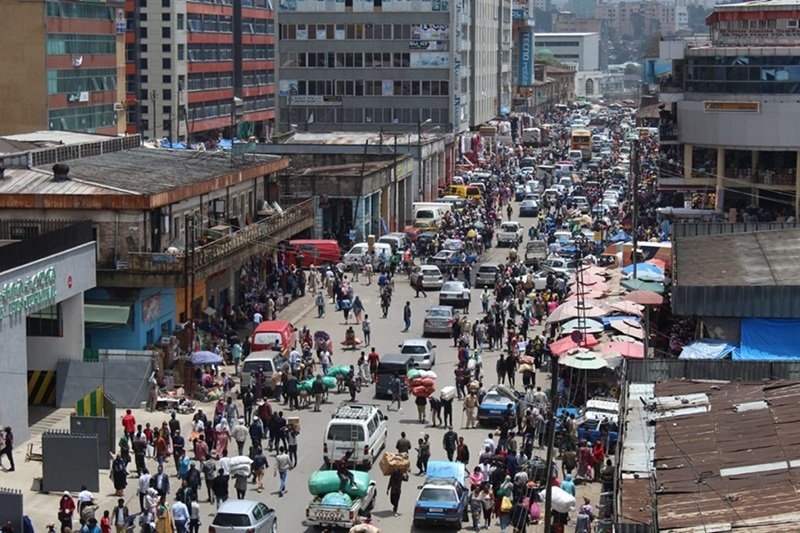
The recent flotation of the dollar and the resulting economic disruption, along with the recent increases in costs of transportation, electricity, water, telecommunications, fuel and also government services, have contributed to public distress that threatens overall happiness. Additionally, the demolition of homes and the displacement of people from their neighborhoods and communities. under the guise of corridor development is another source of public distress. It’s common to see saddened faces among both the urban and rural population. The recent report of Amanuel Psychiatric Specialized hospital in Addis about its struggle to host the alarmingly increasing number of mentally ill patients is an objective reality unlike recent previous years.
In general communities react to public trauma in a variety of ways, often shaped by their cultural, social, and historical contexts. Most often they may organize to advocate for policy changes, demand accountability, or seek justice for those affected by the trauma. At other times the trauma can exacerbate existing tensions or divisions within communities, leading to conflicts or mistrust, and also to increased aggression over political leaders. There may also be a decline in trust toward government, law enforcement, or other institutions perceived as failing to protect or support the community. Increased irritability or anger can emerge, often as a result of stress and frustration. A pervasive sense of sadness may develop, impacting daily functioning and relationships.
Editor’s note : Views in the article do not necessarily reflect the views of borkena.com
__
To Publish an Article On borkena , please send submission to info@borkena.com for consideration.
Join our Telegram Channel : t.me/borkena
Like borkena on Facebook
Add your business to Borkena Business Listing/Business Directory Jobs
Join the conversation. Follow us on X (formerly Twitter ) @zborkena to get the latest Ethiopian news updates regularly. Ethiopia To share information or for submission, send e-mail to info@borkena.com
You better shut up your wide opened mouth. Ethiopia is heading to unparalled growth and development. This article is typical of barking dogs while teh camels are moving forward. This blid writer must be silenced by any means.