
By Bilelegne Gashaw Mengistu
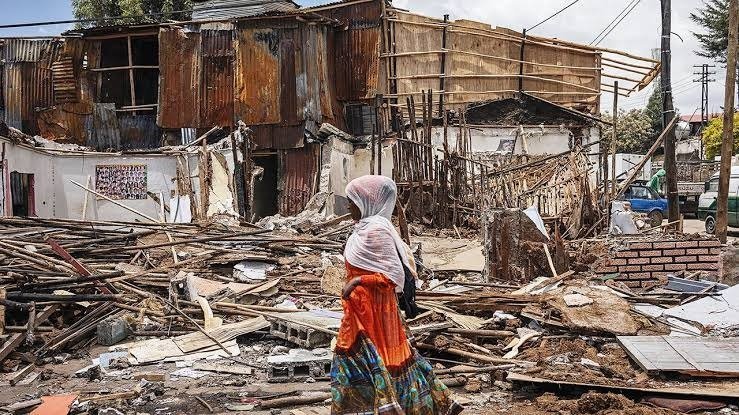
Under Abiy Ahmed’s ‘Prosperity’ rule, no one is spared from oppression and injustice. Ethiopians are rising up, demanding change, from armed struggles to civic movements. Yet, one group stands out for its silence – we, the people of Addis Ababa. We face unprecedented suffering, with forced evictions, displacement, and human rights violations on the rise. The government’s actions have led to a humanitarian crisis, with many of us struggling to survive. Our silence is puzzling, especially given our city’s unique role in shaping the country’s future. However, the current government’s disregard for us has dire consequences. Without a strong, united voice, we risk losing our rights and even our city. The government’s actions will continue to undermine our city’s identity, history, and people. It’s time for us to rise up and demand our rights. A peaceful struggle, led by us, is the best way to achieve change. This struggle should be guided by the principles of non-violence, unity, and determination. To achieve this, we need to come together and demand our rights. We must build a strong and united movement that can challenge the government’s actions and push for change.
But why have we, particularly our youth, remained silent in the face of such oppression? What are the underlying reasons for our silence? Is it due to a lack of awareness about our rights, or is it a result of fear and intimidation? The answer lies in our city’s history. The 1977-78 Red Terror, which claimed the lives of tens of thousands of us, and the 2005 disputed national election, which resulted in the deaths of over 300 of us, are stark reminders of the brutal suppression we’ve faced. These events have left a lasting impact on our collective psyche, making us hesitant to take risks or challenge the status quo. As a popular Amharic proverb says, “ፖለቲካ እና ኮረንቲን በሩቁ” or “keep politics and electricity at a distance.” This historical trauma contributes to our current silence, and it’s essential for us to recognize this complexity to develop an effective strategy to mobilize ourselves.
In conclusion, to prepare for an organized non-violent struggle, it’s essential for us to initiate a dialogue between ourselves, intellectuals, and community leaders. By engaging in open and honest discussions, we can identify the root causes of our silence and work together to find solutions. This dialogue should focus on developing a strategy that takes into account our unique needs and challenges, laying the groundwork for a more just and equitable future for ourselves. Crucially, this dialogue should harness the power of social media and other modern engagement tools, enabling us to connect, share our experiences, and mobilize in a way that is participatory, accessible, and sustainable. By leveraging these platforms, we can ensure that our collective demands for justice and equality are amplified.
Editor’s Note : Views in the article do not necessarily reflect the views of borkena.com
__
Support Borkena : https://borkena.com/subscribe-borkena/
Borkena Ethiopian News Youtube Channel
Join our Telegram Channel : t.me/borkena
Like borkena on Facebook
To submit Press Release, send submission to info@borkena.com
Add your business to Ethiopian Business Listing / Ethiopian Business Directory
Join the conversation. Follow us on X (Formerly Twitter) @zborkena to get the latest Ethiopian News updates regularly.